
The lines were drawn, the future of forestry in North Cowichan was debated, but it is unlikely the saws will be fired up any time soon.
In fact, the only real outcome of a lengthy discussion of the Municipal Forest Reserve was that the public now has a clear view of where each councillor stands on the issue.
Despite overwhelming support for conservation and other factors, North Cowichan council voted 4-3 to add the resumption of logging to its list of strategic priorities in 2026.
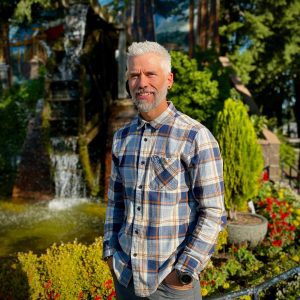
Chemainus business owner Coun. Chris Istace made a strong case for not resuming logging and said this council had no business even discussing the matter.
“We are actively involved with Quw’utsun Nation in a co-management strategy,” Istace told council at the August 20 meeting. “We have a moral and ethical responsibility to do the right thing. We should not even be having this discussion.”
In August, 2021, a Memorandum of Understanding (MOU) was signed by North Cowichan and the Quw’utsun Nation, which is comprised of Cowichan Tribes, Halalt First Nation, Stz’uminus First Nation, Penelakut Tribe, and Lyackson First Nation. The MOU outlines the establishment of a Municipal Forest Reserve Working Group to share information in relationship to the stewardship and use of the MFR for the benefit of the community.
“It’s disrespectful and it goes against what this council voted on as a group,” Istace added.
Coun. Bruce Findlay led the push to resume logging in the Municipality that was halted six years ago.
“We’ve been six years without any revenues from our MFR. We might be another two or three or before we come to a solution and completion of the forestry review with the consultations that are underway,” Findlay argued.
“My belief is that we should we be looking at what can we do in the near term to monetize the asset. That means doing some spot harvesting or potentially even getting back to the normal harvesting structure that was in 2019 and previous.”
Coun. Mike Caljouw supported Findlay’s motion to resume logging.
“I think (Cowichan) Tribes could be involved, we could hire one of the companies they have,” Caljouw suggested. “Reconciliation needs to come into this forestry harvesting component. It’s early days, let’s just try to maintain an even keel.”
For Coun. Chris Justice, the idea of re-starting logging would be “a very major misstep and devastating” for several reasons.
“This will cause all sorts of pain for us in terms of how the public will react to it, in terms of the affects it will have on our relationships with First nations.
“This pause in harvesting wasn’t a council initiative, it wasn’t a staff initiative, it was the public coming to us in huge numbers, coming to us and saying this was what we want. Hundreds of people came to council chambers.”
Justice pointed to the extensive forest review and public engagement that was carried out to determine what the public wanted.
The studies confirmed that residents of North Cowichan wanted virtually no logging, with most citing their concern for the environment for taking that position.
“This is a community vision that we worked really hard on, and the community worked really hard on, and I think that it would just be completely arrogant of us after spending many tens of thousands of dollars of taxpayer money to learn what the community wants to now think we know better and throw it all away all that time and effort and return to harvesting.
“It goes about what we know about the preferences of the vast majority of our citizens but also completely undermines community trust in all of our transparent planning processes.
Istace and Justice provided historical data that suggests logging the municipal forest is not always a windfall that serves to reduce the burden on taxpayers.
“The 20-year average shows revenue of $105,000 per year,” Istace said, referring to a 2017 report. “We’re a municipality. We’re not an industrial logger.”
Mayor Rob Douglas also opposed a resumption of logging.
“We know without question North Cowichan residents want a stronger focus on conservation in terms of how we manage our municipal forest,” Douglas said.
He added that the expensive public engagement process was clear in its findings.
“The message was loud and clear.”
Despite the 4-3 vote – councillors Becky Hogg and Tek Manhas supported the motion with Istace, Douglas and Justice opposed – any resumption of activity in the municipal forest won’t take place anytime soon.
“I believe it would be very tough to harvest before the end of the (current council’s) term,” Chief Administrative Officer Ted Swabey told council.
Forestry will likely be a hot topic in the next election campaign.
“We’ll see how the electorate deals with it,” Findlay said. “If they don’t like the idea, then I’m out of here. And that’s fine. If that’s what the electorate wants, then so be it.”